
This post may contain affiliate links. See our disclosure.
Most Japan itineraries give Fukuoka one night as a shinkansen stopover. As someone who lives here, I think the sweet spot is two to three days — enough for the food, the city’s easy rhythm, and one day trip. Below are three ready-to-use plans, built the way a local would actually spend the time: eating first, monuments second.
Before you start: three local logistics tips
- The airport is two subway stops from Hakata Station (about five minutes). Don’t book an airport transfer; just tap in with an IC card (Suica/Pasmo from elsewhere in Japan work fine here).
- The city core is one subway line: Airport → Hakata → Nakasu → Tenjin → Ohori Park. You’ll rarely need anything else.
- Yatai stalls open around 6pm and many close by midnight; several take a day off on Sundays or in heavy rain. Build your evenings around them, not the other way round.
One day in Fukuoka: the food-first day
With a single day, I wouldn’t spend it on parks — this is a city you eat your way through.
Morning: Kushida Shrine and the old Hakata backstreets — temples, machiya houses and the giant festival float, all within a short walk.
Lunch: your first proper tonkotsu ramen, ordered the local way — see the food guide for where locals actually queue (and why you shouldn’t customize your noodles on a first visit).
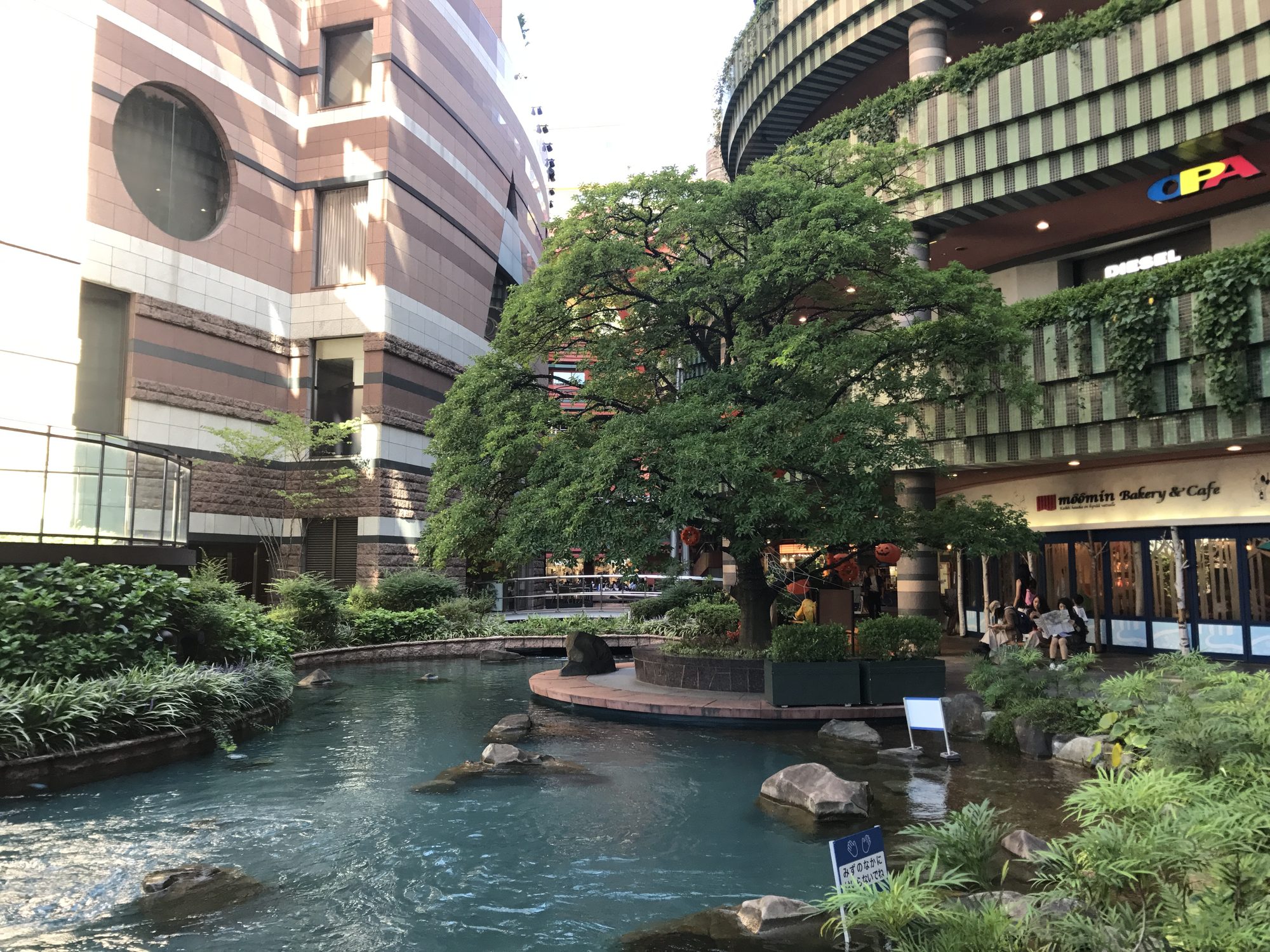
Afternoon: Tenjin and the Daimyo backstreets — the shopping heart of Kyushu, coffee roasters, vintage shops — or Canal City and the food halls under Hakata Station if the weather turns.
Evening: yatai along the Nakasu riverside. Arrive before 7pm to get seats without a long wait, eat at one stall, then bar-hop to a second. Remember: it’s an experience first, a meal second — that’s the right way to enjoy it.
Two days in Fukuoka (the recommended minimum)
Day 1: as above.
Day 2 morning: Nanzoin Temple and the Reclining Buddha — the region’s most underrated sight, 30 minutes out by local train.
Day 2 afternoon: back to town for an Ohori Park stroll if you want green (this is where locals actually relax), or the beach at Seaside Momochi if the weather’s good.
Day 2 evening: motsunabe with a reservation (many good motsunabe restaurants book out — ask your hotel to call), then cocktails in Daimyo.
Three days in Fukuoka
Keep days 1–2, then use day 3 for a day trip. The three best first choices: Dazaifu for the great Tenmangu shrine (30–40 minutes away), Yanagawa for a canal-boat ride you’ll photograph for years, or Itoshima for beaches and coastal cafes. All of them are ranked with honest pros and cons in the day trips guide. With a fourth day or an overnight, go further: Yufuin or Beppu for onsen, or Nagasaki by train.
When to come
Late March–April (cherry blossoms), May, and October–November (autumn, sumo tournament, oyster huts opening) are the sweet spots. June is rainy season; July and August are hot and humid — though early July brings the Yamakasa festival, which is worth the sweat. Winter is mild by Japanese standards and is peak oyster-hut and motsunabe season, which is to say: not a bad time at all.
Tickets and passes
Inside the city you need no pass — distances are too short to make one pay off. For day trips by train, do the math before buying anything; I run the actual numbers in the upcoming JR Kyushu Rail Pass guide. For booked experiences (tea ceremony, food tours, Yanagawa boats), I keep vetted links here: Fukuoka on Klook.
Keep planning
Choose your base with where to stay in Fukuoka, then go deep on the two things this city does best: the food and the sights that are actually worth it.